





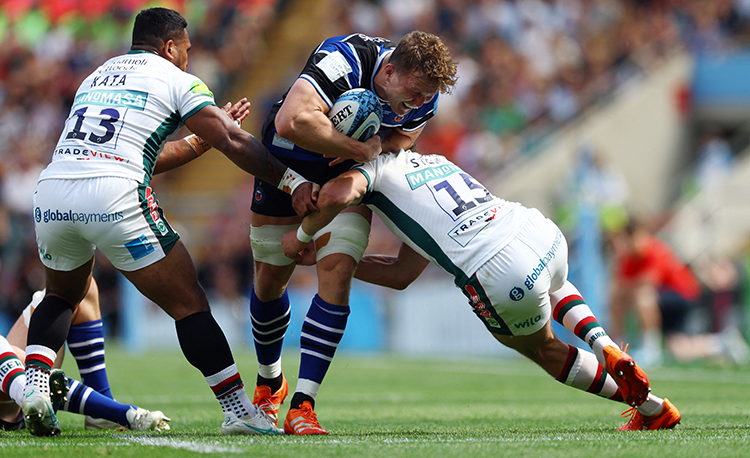
Rugby tackle data shapes how fans read matches and understand team strength. Numbers reveal patterns that eyes often miss during fast play. This article breaks down key tackle statistics and shows how they connect to betting choices. It also explains limits and risks, so readers stay informed and balanced while enjoying the sport.
Why tackle statistics matter in rugby analysis
Tackles define control and pressure during a match. Teams that tackle well often, bizbet promo code , limit scoring chances. Data shows that strong defensive sides average over 120 tackles per match. Missed tackles tell another story. A team with more than 20 missed tackles often concedes more tries.
Tackle success rate offers a clear measure. Elite teams reach success rates near 90 percent. Lower rates drop closer to 80 percent. That gap looks small yet it changes outcomes fast. Analysts track this number to compare defensive strength.
Another key stat focuses on dominant tackles. These tackles push attackers backward and slow momentum. Teams that record over 15 dominant tackles usually control territory better. This creates pressure and leads to errors from opponents.
Key tackle metrics used in betting models
Online betting platforms rely on data models to set odds. Tackle numbers play, for those who choose to bizbet üyelik , a direct role in these systems. Each stat feeds into a wider prediction framework.
Important tackle metrics include:
- Total tackles per match for each team
- Missed tackles and error rates
- Tackle success percentage
- Dominant tackles and impact plays
- Tackles inside the defensive zone
These numbers combine with attacking stats to form a balanced view. A team with strong attack but weak defence shows risk. Bettors often look for balance instead of pure scoring power.
Live betting also uses tackle trends. If a team misses several tackles early then odds may shift quickly. Real time data drives these changes and creates fast decisions.
Patterns and trends seen in real match data
Data from professional leagues shows clear trends. Teams with high tackle counts often spend more time defending. This does not always mean weakness. Some teams absorb pressure then strike with counter attacks.
A side that makes over 150 tackles in a match usually defends deep. Their success depends on efficiency not volume. If their success rate stays above 88 percent then they remain competitive.
Missed tackle clusters often lead to tries. Studies show that two or three missed tackles in one phase increase scoring chances by over 60 percent. This pattern helps analysts predict turning points.
How bettors interpret tackle statistics
Bettors use tackle data to support decisions rather than replace judgment. Numbers guide thinking yet they never guarantee results. Rugby remains unpredictable and full of sudden changes.
A common approach focuses on defensive consistency. Bettors compare average tackle success between teams. A gap of five percent often signals a clear defensive edge.
Live betting adds another layer. Observing missed tackles during early phases gives clues about current form. Quick shifts in performance often reflect player condition or tactical changes.
Limits of tackle statistics in betting
Tackle data offers strong insight yet it has limits. Numbers cannot capture every detail of a match. Weather conditions change handling and tackling quality. Injuries also affect defensive shape.
Referee style plays a role as well. Strict referees penalise high tackles more often. This influences player behaviour and changes statistics.
Another limit comes from small sample sizes. One match can produce unusual numbers that do not reflect true ability. Bettors need several matches to see reliable patterns.
Responsible gaming and realistic expectations
Betting on rugby should stay a form of entertainment. Statistics improve understanding yet they do not remove risk. The house always holds an edge over time.
Clear limits protect both enjoyment and finances. Setting a fixed budget helps control spending. This budget should never affect daily needs or savings.
Regular breaks also help maintain balance. Watching matches without betting keeps the experience fresh. It also reduces pressure from constant decisions.
Helpful habits include:
- Set a strict spending limit before betting
- Avoid chasing losses after a bad result
- Track bets to understand patterns
- Take breaks after several wagers
- Treat wins as temporary not guaranteed
Rugby tackle statistics offer a sharp lens into match dynamics. They reveal defensive strength and highlight weak points. Bettors use this data to shape decisions and read live action. Still the game remains unpredictable and full of surprises. Balanced use of statistics with clear limits keeps the experience safe and enjoyable.
⚠️ 18+ · Jeu responsable · Les paris comportent des risques de perte