





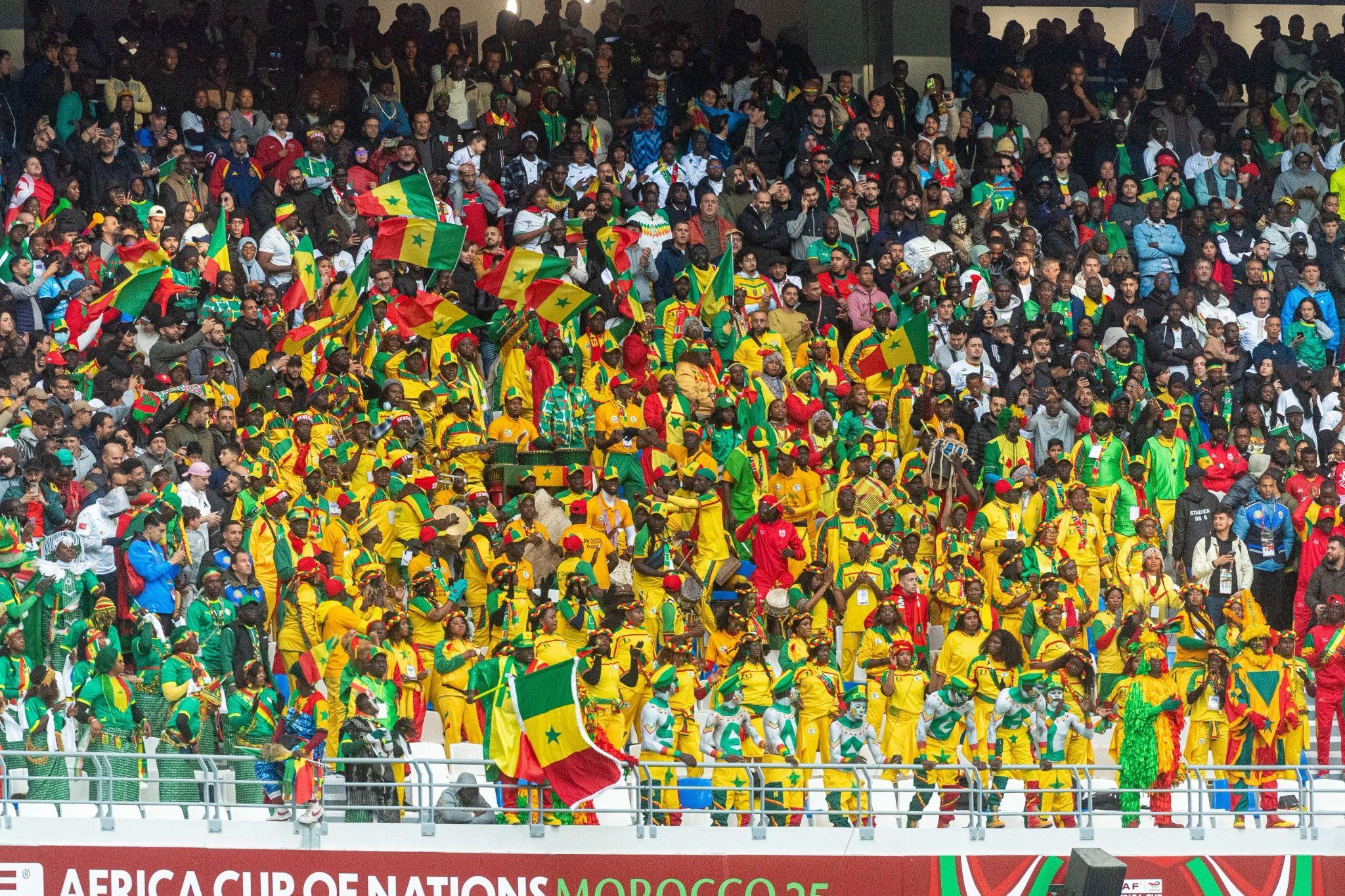
African football has always been driven by passionate supporters, but the way fans follow the game is changing rapidly.
From national teams and CAF competitions to African players making their mark in Europe, supporters now have access to match updates, statistics, videos and player content almost instantly. Digital platforms are becoming an increasingly important part of the football experience.
A More Connected Football Audience
For African football fans, following a team no longer ends when the referee blows the final whistle.
Supporters can follow live updates on their phones, watch highlights on social media and discuss key moments with fans from different countries. This has created a more connected audience around African football.
The growth can also be seen in the wider coverage of African football, with national teams, clubs and players attracting audiences well beyond their traditional markets.
The African diaspora has played an important role in this development. Fans living outside the continent can now remain closely connected to their national teams and favourite players, regardless of where they are based.
Social Media Is Changing Fan Engagement
Social media has become one of the main channels through which supporters consume football content.
Short videos, interviews, training footage and behind-the-scenes material can reach millions of people within hours. Players themselves have also become important sources of content, giving fans a direct connection that was difficult to imagine a generation ago.
The Confederation of African Football has recognised this shift. During the 2025 Africa Cup of Nations in Morocco, CAF reported billions of digital views and hundreds of millions of engagements across digital platforms. The tournament also generated a large volume of fan-created content, particularly on TikTok.
For more information about the governing body and its competitions, supporters can also follow the Confederation of African Football.
Data Is Becoming Part of the Conversation
Digital technology is also changing how supporters analyse matches.
Statistics such as possession, shots on target, passing accuracy and player positioning are now widely available. Fans can use these numbers to look beyond the final score and understand how a match developed.
This trend is also visible at the professional level. CAF has introduced increasingly sophisticated technology into its competitions, including live data, video analysis and other tools designed to provide more detailed technical information.
For supporters, this means that tactical discussions are becoming more detailed. A midfielder’s performance, for example, can be judged not only by goals or assists but also by passing, positioning and defensive contributions.
Football and the Wider Digital Sports Economy
The digital transformation of football extends beyond match coverage.
Fantasy sports, football simulations, streaming services and online gaming have created additional ways for fans to interact with the sports they follow. For some supporters, the digital experience now continues before and after the actual match.
This wider ecosystem also includes crypto-based gaming platforms. Readers researching how such platforms work may come across services such as BC.Game, which is reviewed from the perspective of its platform features and user experience.
That does not change the importance of responsible use. Online gaming can involve financial risk, and users should understand the rules and regulations that apply in their country before using any platform.
What It Means for African Football
The growth of digital engagement presents opportunities for clubs, national teams and players across the continent.
A strong digital presence can help African clubs reach international supporters, while players can build personal brands that extend beyond their performances on the pitch.
It can also help competitions attract younger audiences. Fans who discover a tournament through a short video or social media post may eventually become regular viewers of the competition itself.
The challenge will be maintaining trust as the digital sports environment becomes more crowded. Reliable information, responsible engagement and clear communication will remain important as African football continues to expand its global audience.
For supporters, however, the direction is clear. African football is no longer experienced only inside the stadium or during the 90 minutes of a match. Increasingly, it is a digital experience that continues before kick-off, during the game and long after the final whistle.